Skip to content
Get your free gift ENES
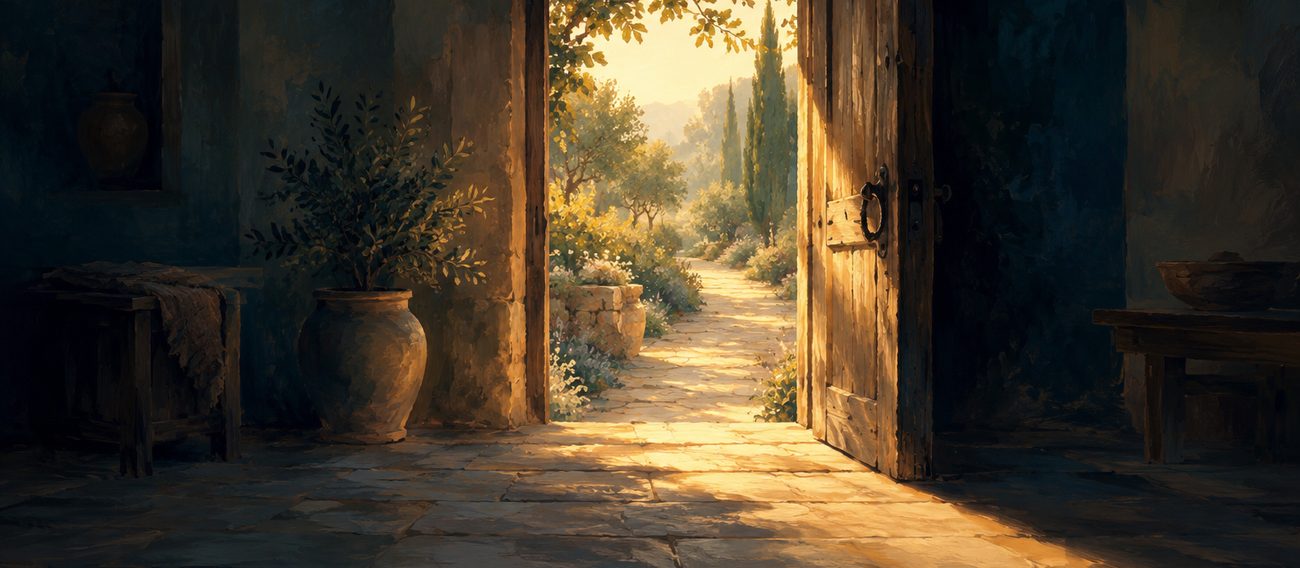
Painting of an open wooden door leading out onto a sunlit garden path.
Reading guide

Books like The Alchemist

What readers love about it, where to go next, and four modern fables that ask the same quiet question.

Some books are read once and shelved. Others get passed from hand to hand, lent to a friend at the right moment, bought again because the first copy went missing. The Alchemist by Paulo Coelho is one of those books. First published in Portuguese in 1988, it has been translated into dozens of languages and remains one of the best-known modern spiritual fables.

Maybe it found its way to you at a turning point. Maybe a sentence from it stayed for years.

And then the question comes: What next? What else feels like that?

This page tries an honest answer. First, what so many readers love about The Alchemist. Then what it does not give everyone. Then a short list of spiritual classics that share its spirit, a few ways to choose, and finally four modern fables by Noah Lindholm that ask the same quiet question in their own way.

Why readers love The Alchemist

People describe their love for this book in very similar words. Here are the threads that come up again and again.

It is simple.

A young shepherd, a dream, a journey. No complicated plot, no long cast of characters. Many readers finish it in an evening. That simplicity is part of the gift: the story leaves room for the reader’s own life.

It feels like a fable.

The book reads more like an old tale than a modern novel. It does not try to be realistic. It tries to be true in a different way, the way parables are true.

It takes the inner life seriously.

Dreams, longing, fear, the sense that a life could be more than it is right now. The book treats these as worth following, not as distractions from real life.

It gives courage.

Many readers say they picked it up while standing at a crossroads: a job, a move, a relationship, a calling. The story does not tell them what to choose. It encourages them to listen.

It is quotable.

Short, clear sentences that fit on a card or a wall. People underline them and send them to friends.

It is spiritual without being churchy.

The story speaks of the soul and of something larger at work in the world, without asking the reader to join any particular faith. For many readers who are spiritual but not religious, that is exactly the right tone.

What it does not do for everyone

It would not be honest to pretend every reader loves it. Reviews and reading groups show a few recurring complaints, and they are useful, because they say something about what to look for next.

  • Some find it too simple. What feels like clarity to one reader feels like a slogan to another.
  • Some miss real characters. Fables use types more than people, and some readers want messier, more human figures.
  • Some find the message too smooth. Real life rarely follows a straight line to treasure, and not every dream works out.

If any of these sound familiar, maybe the next book could keep the inner journey and the sense of meaning, and add other things: everyday characters, open doubt, and change that takes time.

Spiritual classics in the same spirit

These are books that readers of The Alchemist often mention in the same breath. They differ in style and in what they believe, but each of them treats the inner journey as a real journey.

  • Siddhartha by Hermann Hesse
  • The Little Prince by Antoine de Saint-Exupéry
  • Jonathan Livingston Seagull by Richard Bach
  • Illusions by Richard Bach
  • The Prophet by Kahlil Gibran
  • The Five People You Meet in Heaven by Mitch Albom
  • The Midnight Library by Matt Haig
  • The Monk Who Sold His Ferrari by Robin Sharma
  • The Shack by Wm. Paul Young
  • Life of Pi by Yann Martel

Some of these are short fables, some are full novels, one is closer to poetry. Some are gentle, some are challenging. If one of them is already a favorite, it may also help you choose among the newer books below.

What makes a book “like The Alchemist”

When readers ask for “something like The Alchemist,” they rarely mean another book about a shepherd. They usually mean one or more of these:

A journey with a meaning.

The outer road and the inner road run side by side. A place or an event becomes a mirror for something the main character has to understand.

A guide.

Often a figure appears who knows more than the hero: an old king, a stranger, a teacher, a voice. The guide does not hand out answers but asks the right questions.

A big question.

What is my life for? What am I waiting for? What happens when we die? Is the divine far away or very close?

Hope without naivety.

The best books in this space are hopeful, but they do not pretend that pain is unreal. They stay with the hard part and still find light.

Story before sermon.

The meaning grows out of the story, not out of a lecture. If the reader can feel the insight instead of being told it, the book has done its work.

How to choose your next book

A few questions that might help:

  • Do you want a fable or a novel? A fable is short and symbolic. A novel takes more time and gives you real people to live with.
  • Do you want a journey outward or inward? Some stories travel across deserts, others never leave one house.
  • Do you want history? Some spiritual novels take place among real people of the past, which can make old ideas feel close.
  • Do you want humor? Some readers like their big questions with a dry joke or two. Others want stillness.
  • How much darkness can the book hold today? On some evenings a gentle story is right. On others, a book that faces grief or death may be exactly what is needed.

There is no wrong answer. And if you are unsure, the free sample of a book can tell you more in five minutes than any list.

Common questions

Questions and answers

What should I read after The Alchemist?

Many readers go on to spiritual classics such as Siddhartha, The Little Prince, or Jonathan Livingston Seagull, or to modern fables such as The Five People You Meet in Heaven. If you want real characters and a story set in today’s world, a modern spiritual novel may be the next step.

What genre is The Alchemist?

It is usually described as a fable, an allegorical novel, or spiritual fiction. Bookstores, including Amazon, often list it under metaphysical and visionary fiction.

What are books like The Alchemist called?

People call them spiritual novels, modern fables, visionary fiction, or inspirational fiction. The labels overlap. What these books share is a story that takes the inner journey seriously.

Are there books like The Alchemist with more realistic characters?

Yes. Many modern spiritual novels keep the inner journey but set it in ordinary life, with jobs, families, and real doubts. Several of the novels by Noah Lindholm on this page are written that way.

Do I need to be religious to enjoy spiritual fiction?

No. Most spiritual novels are open to readers of any faith or none. They ask questions rather than demand belief.

Is spiritual fiction the same as Christian fiction?

Not usually. Christian fiction is written from within a specific faith for readers of that faith. Spiritual fiction tends to be open to many paths and to readers who are spiritual but not religious.

Which Noah Lindholm book is most like The Alchemist?

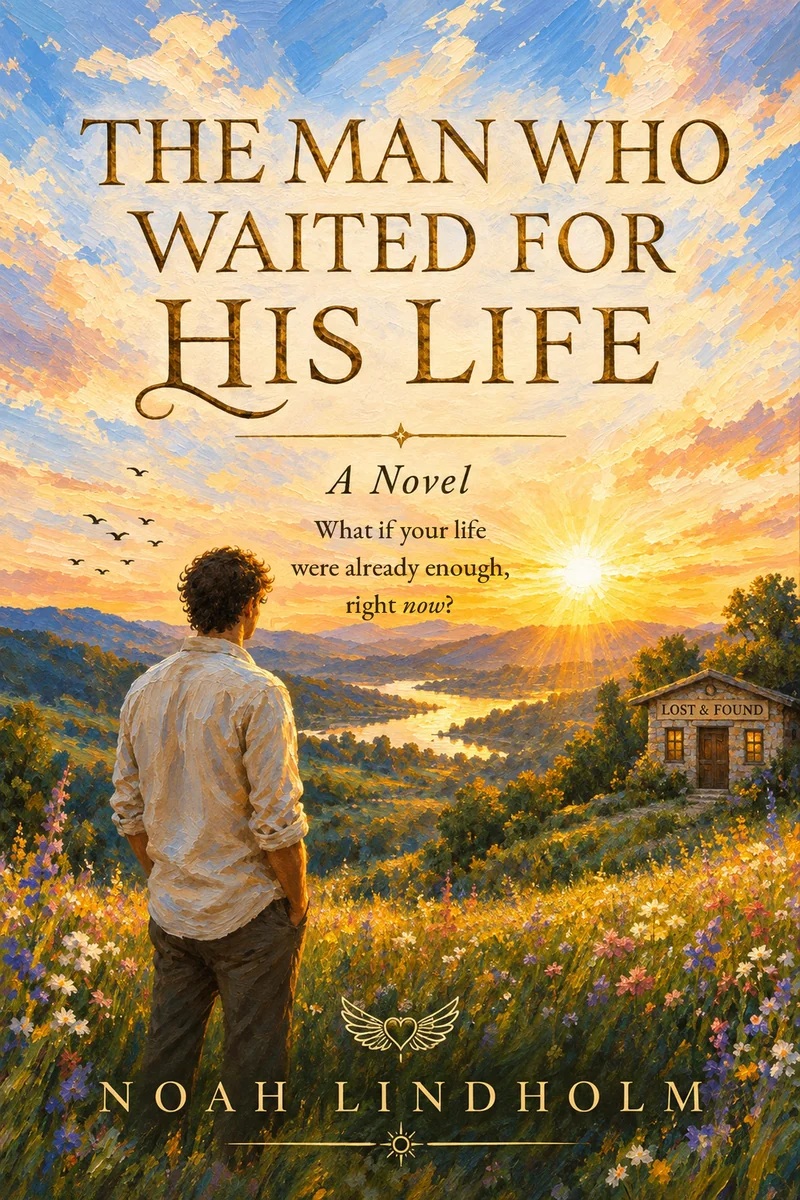
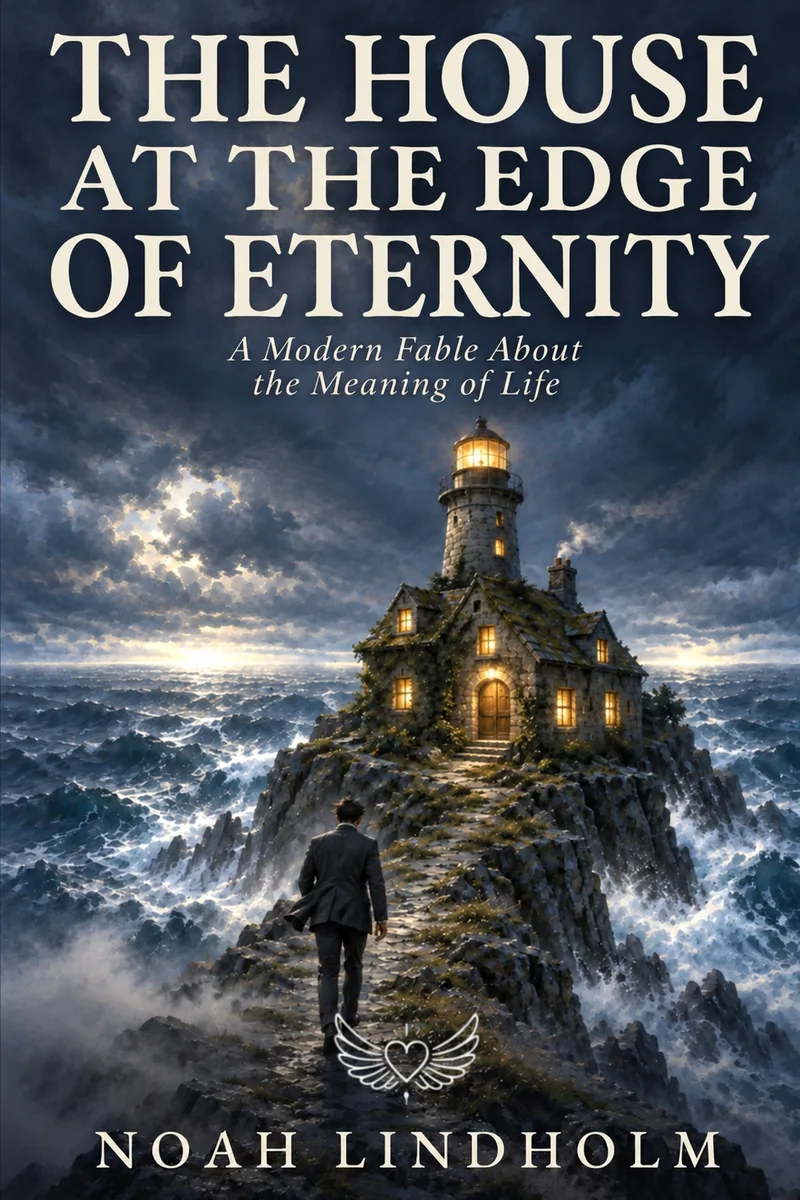
The Man Who Waited for His Life is closest in spirit, because it uses the old image of alchemy, turning lead into gold, for an ordinary life. The House at the Edge of Eternity is closest in form, a short modern fable with a mysterious guide.

Are Noah Lindholm’s books available in English?

The English editions are being prepared. They were translated from the German originals with the help of AI. Release dates will appear on each book’s page.

Keep reading

If The Alchemist opened a door, these might lead further

Four novels that keep the inner journey and add ordinary people, real doubt, and a touch of humor.

novel

The Man Who Waited for His Life

Paul Winter is sure that real life will begin later, once he is finally enough. Then he meets Konrad Riedel, the mysterious keeper of a lost and found office for things people have lost along the way. Where The Alchemist follows a shepherd on a long journey, this story stays in one ordinary life and asks what changes when nothing outside changes. Alchemy here does not change a life’s circumstances. It changes how a person relates to what is already there.

Join the Reader PanelAbout the book
novel

The House at the Edge of Eternity

On a November evening, Levin Salinger’s car leaves the road. He wakes in fog at the edge of an ocean, near an old house with a lighthouse on its roof. Inside, a host who never looks quite the same leads him room by room through the beliefs his life was built on. A short modern fable, maybe the right next step for anyone who loved how The Alchemist turns a simple journey into a mirror.

Join the Reader PanelAbout the book
novel

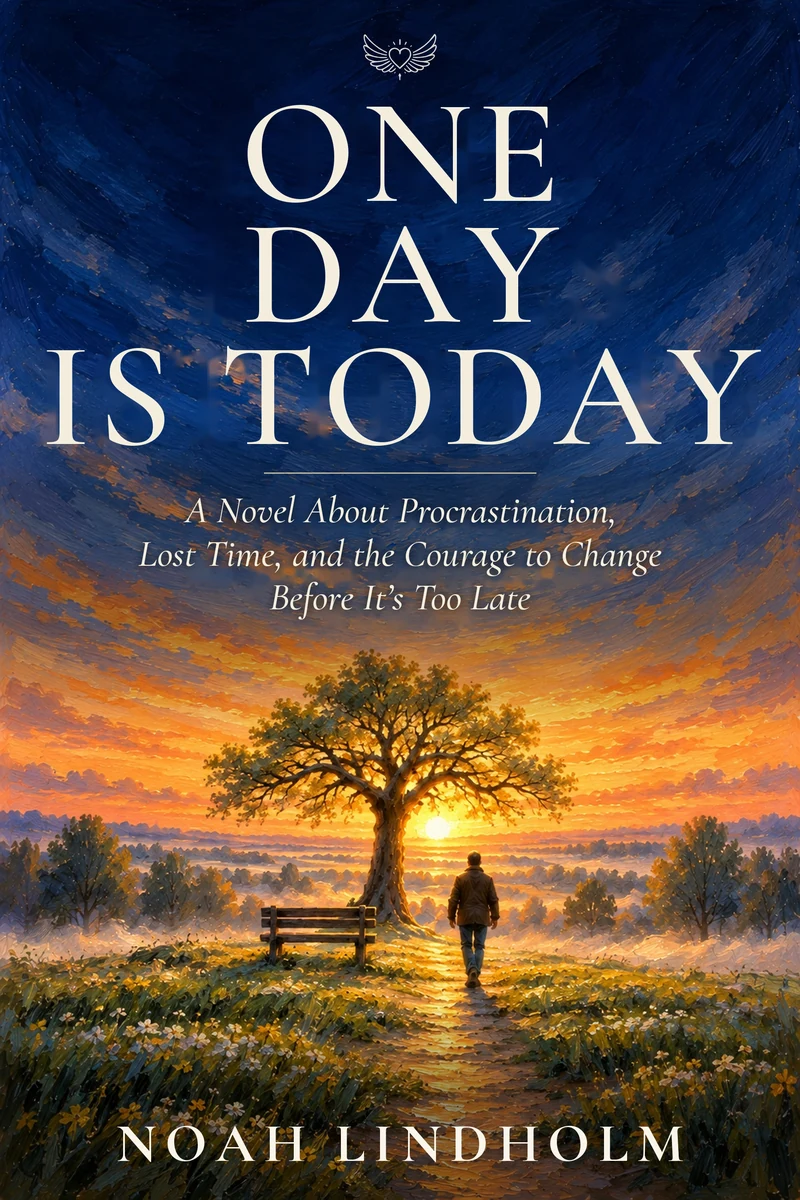
One Day Is Today

On a rainy evening, nineteen-year-old Jonas gets a text from his oldest friend, and the story splits into five lives, one for each possible answer. A warm, often funny novel about putting things off and about how small choices grow. For readers who loved the courage in The Alchemist and wonder what “someday” really costs.

Join the Reader PanelAbout the book

The English editions were translated from the German originals with the help of AI. Not yet published in English.

A gift for the road

The Reading Journal, free by email

A printable booklet for the sentences that stay after the last page. Maybe a place for your own list of books that changed something.

Free. About one short letter a week from Noah Lindholm. Unsubscribe anytime with one click. Privacy

More to read

Sources

  1. Paulo Coelho, O Alquimista, first published 1988 (see Encyclopaedia Britannica, entry “Paulo Coelho”).
  2. Amazon.com Best Sellers, Kindle Metaphysical fiction, checked October 23, 2026: amazon.com
  3. Common reader criticism summarized from reviews on Goodreads and from The Stanford Daily.

This is an independent reading guide. It is not affiliated with or endorsed by Paulo Coelho or his publishers.

Text