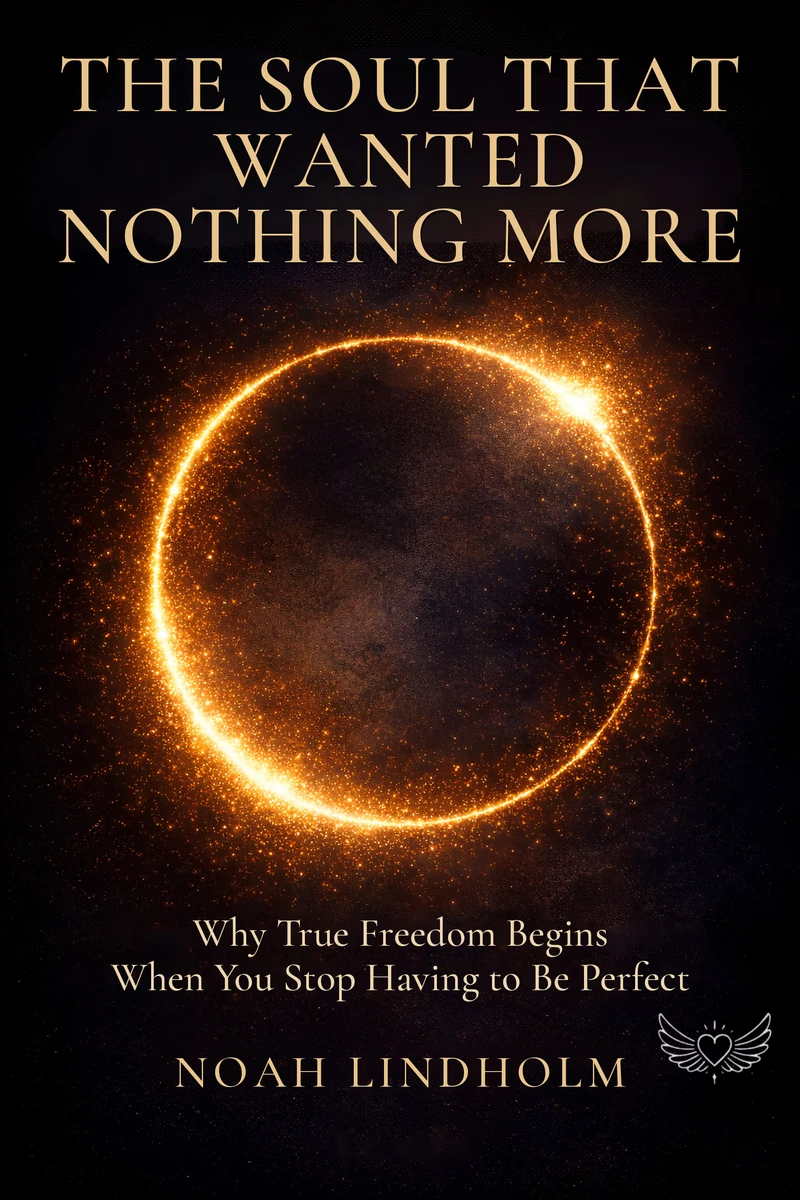
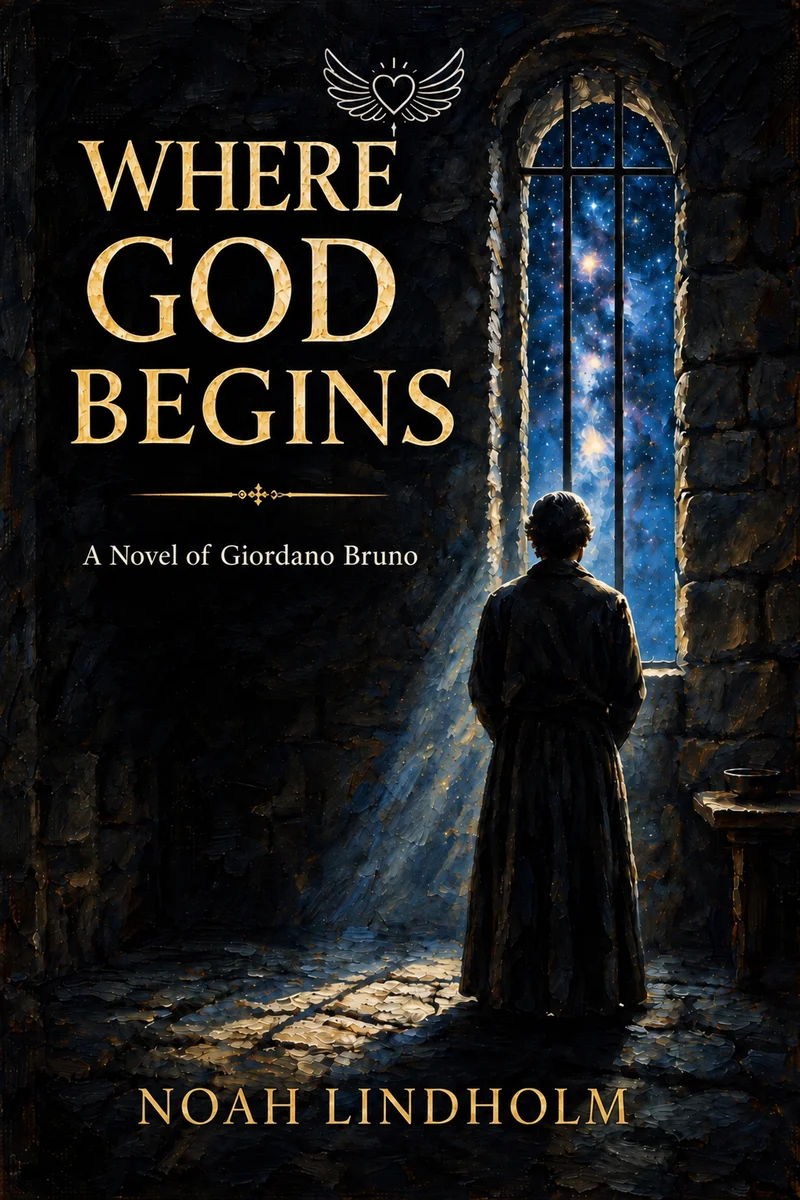
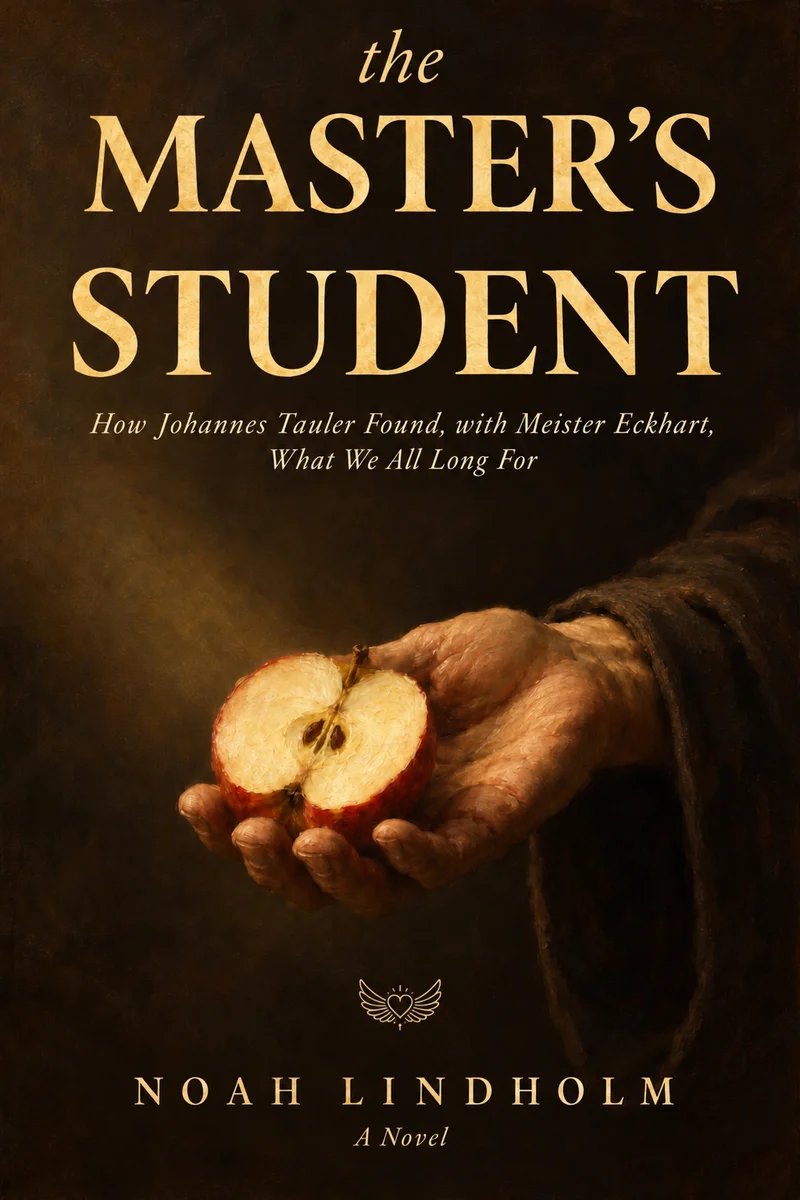
A novel is a mirror. You seem to be watching someone else, and little by little you recognize yourself.
The main character lives through things in your place: searching, suffering, deciding, failing, changing. You walk the same path on the inside without having to live it yourself. A change that might take months or years in real life unfolds over a few evenings. That makes it much easier to see how a starting point, an experience, an insight and a change belong together.
A self-help book can tell you: Be present. Let go. Stop searching. A novel lets you feel what it is like not to be present, to hold on, to search, and what happens when that begins to change. Knowledge turns into experience. And that experience gets a scene, a feeling and an image that stay with you long after you close the book.
That is why my novels don’t tell you what to learn from a scene. Much of it lives between the lines. If a character makes you angry because they are only getting by instead of living, that anger may raise a question of its own: Where do I live like that? Nobody lectures you. The insight comes from you.
What a novel does that nonfiction can’t
When someone tells you straight out what is going wrong in your life, resistance comes quickly. With a character in a novel, you can look at the same pattern from a distance first. At some point you may notice: I do that too. This detour through another person is not a weakness of the form. It is its real strength.
A good novel doesn’t end on the last page. Afterward, you may notice more clearly when people are only getting by, when you are living for the outside, where you hold on, what you put off and how truthfully you speak. That is what I hope my spiritual novels can do: keep you turning the pages, and give you something along the way that can change how you see yourself and your life.
So if you usually reach for self-help, why not try it the other way around for once? In the free samples you can get a feel for whether a story carries you.